


Graduation is a powerful milestone—the closing of one chapter and the exciting, sometimes uncertain, beginning of another. As you step into life beyond the classroom, it is natural to ask: What comes next? How do I find success? How do I live a life of meaning?
One truth I want to highlight is this: life after graduation is not immediately a polished diamond. The path ahead will have its share of rough edges—challenges, rejections, setbacks—but also moments of acceptance, growth, and unexpected victories. Every challenge you face will shape you, refine you, and prepare you for greater strength and wisdom. The journey is not always easy, but it is worth it.
Two powerful books offer timeless guidance for this new phase. In Leaders Eat Last by Simon Sinek, we are reminded that the greatest leaders are those who put others first. Sinek paints a vision of leadership rooted in service, empathy, and trust. As you enter the next phase of your journey—whether starting a career, continuing education, or contributing to your community—remember that true success is not about personal gain at the expense of others. Instead, it is about lifting others up even when you are climbing your own mountain. When you build circles of trust, protect, support, and encourage those around you, you not only lead—you inspire.
Similarly, in The Measure of a Man, Sidney Poitier reflects on what it means to live with integrity and honor. His life teaches us that the true measure of success is not fame, wealth, or recognition, but the character we build through both acceptance and rejection, through both triumphs and trials. As you move forward, you will face obstacles and hear the word no more than you might expect. But each rejection will guide you closer to your purpose. Poitier reminds us that what matters most is the courage to stay true to your values and to walk your path with dignity.
Life after graduation will test you—but it will also reward you. Stay committed to kindness, service, and strength of character. Choose to be the kind of leader who eats last, who uplifts others, and who measures success by the lives you touch. In doing so, you will not only succeed—you will thrive.
Congratulations on your achievement. Your future may not be easy—but it will shine brighter than any diamond, because it will be built by your hands, your heart, and your resilience.
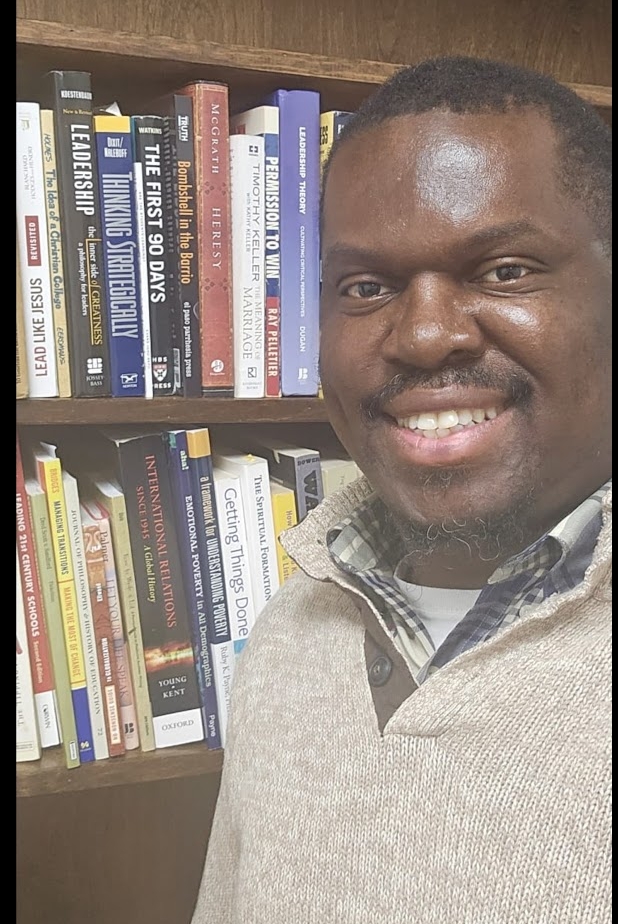
 Evans Akpo