Risky endeavor

Photo by Skyler Ewing on Pexels.com


“Life is 10% what happens to me and 90% of how I react to it.” – John C. Maxwell
This powerful quote from John C. Maxwell perfectly encapsulates the essence of living a fulfilling life. It emphasizes that while we may not always control the circumstances we encounter, we have absolute control over how we respond to them.


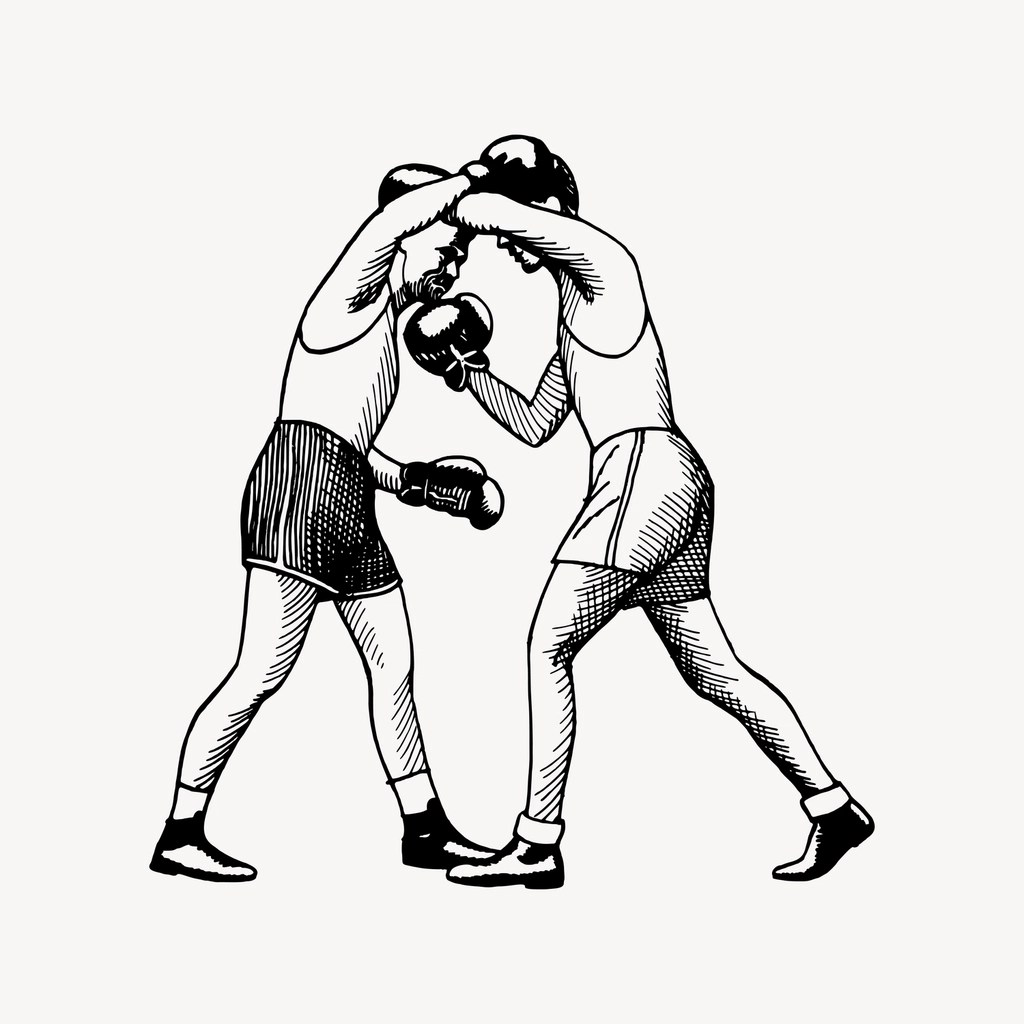
Living is an inherently risky endeavor. Every decision, every interaction, every step we take, even the simple act of getting out of bed each morning, involves an element of risk. True living, however, lies not in avoiding risk altogether, but in embracing it. It’s about acknowledging the inherent uncertainty and trusting in our own ability to navigate the unknown.


Conversely, clinging to illusions of safety and allowing fear to paralyze us can lead to a life of slow, agonizing stagnation. By constantly succumbing to our anxieties and allowing them to dictate our actions, we rob ourselves of the opportunity to learn, grow, and experience the full spectrum of human existence.


The fear of making mistakes can be a powerful inhibitor. However, it’s crucial to remember that even when our instincts lead us astray, we have the capacity to learn from those experiences, adjust our course, and continue moving forward. The true tragedy lies not in making mistakes, but in allowing the fear of making them to prevent us from ever truly living.


By embracing the inherent risks of life, we open ourselves up to a world of possibilities. We learn, we grow, and we discover our true potential. As John C. Maxwell reminds us, it’s not about the circumstances we encounter, but how we choose to respond to them.
This expanded version incorporates the John C. Maxwell quote seamlessly and provides a more in-depth exploration of the themes presented in the original text. It emphasizes the importance of embracing risk, overcoming fear, and learning from both successes and failures.

Our choices


“You know, it’s easy to get stuck dwelling on the past – all the things that happened to us, both good and bad. But as Simon Sinek wisely said, “You aren’t responsible for everything that happened to you, but you need to be responsible for undoing the thinking and behavioral patterns these outcomes created within you.”


Blaming past experiences for our current limitations won’t change anything. Instead, we need to acknowledge those experiences, understand how they’ve shaped us, and then consciously choose to move forward differently.


It’s true, a mix of our choices and external factors beyond our control has brought us to this point. But focusing on negativity and blaming others won’t get us anywhere. The real power lies in taking responsibility for the next step, for how we choose to respond to our present circumstances.


Let’s leave the past behind, with all its regrets and resentments. Let’s focus on the present moment, where every possibility we seek exists. By taking ownership of our present, we can truly bring those possibilities to life.”

Rivers Flow

To let go is not merely about relinquishing control, but about embracing the fullness of life, both its joys and its sorrows. It’s about acknowledging that every experience, whether it brought laughter, tears, or a mixture of both, has contributed to the unique tapestry of our being.

Consider the ancient Greek philosopher Heraclitus, who famously stated, “The only constant in life is change.” Just as the river continually flows, so too does our own personal journey. To resist this natural ebb and flow is to fight against the current, expending unnecessary energy and causing ourselves undue stress.

Letting go, therefore, is about accepting this inherent fluidity. It’s about acknowledging that past experiences, both positive and negative, have shaped us into who we are today. It’s about recognizing that every challenge, every heartbreak, every disappointment, has provided valuable lessons and strengthened our resilience.

“The past is a foreign country; they do things differently there.” – L.P. Hartley

Instead of clinging to the past, we can learn to appreciate its influence while embracing the present moment. It’s about trusting our instincts, listening to our inner guidance, and taking those positive steps forward, even when the path ahead is uncertain.

Letting go is not about giving up, but about embracing the unknown with courage and curiosity. It’s about recognizing the inherent value in every experience, and trusting that the journey, with all its twists and turns, is ultimately leading us towards a greater understanding of ourselves and the world around us.

Forgive yourself

We often carry the weight of past mistakes, convinced that they define us. We cling to guilt and shame, believing we are forever burdened by our past missteps. But what if I told you that many of the “bad” or “foolish” things you’ve done have likely been forgiven and forgotten by those who matter most?

“The past is over. You can’t change it. The only thing you can do is learn from it and move on.” – Henry Ford

While the sting of past actions may linger, it’s crucial to remember that we are not defined by our mistakes. We are works in progress, constantly evolving and learning.

“The greatest glory in living lies not in never falling, but in rising every time we fall.” – Nelson Mandela

It’s time to extend the same grace and forgiveness to ourselves that we would offer to a friend. Look in the mirror and acknowledge your past mistakes with honesty and compassion. Say to yourself, “This did happen. It was a moment of poor judgment, a lesson learned. But I have grown from it. I am worthy of my own love and forgiveness.”

Forgiving yourself is not about condoning your past actions, but about recognizing that you are more than your mistakes. It’s about acknowledging your humanity, embracing your imperfections, and choosing to move forward with kindness and self-compassion.

By forgiving yourself, you free yourself from the shackles of guilt and shame, allowing you to embrace the present moment and step into your full potential.

Heartbreak

Heartbreak, like a sudden storm, can leave us feeling lost and adrift. It’s easy to get caught in a cycle of “what ifs” and “why me?” – “Why did I ever trust them?” or “Why did I let myself fall so hard?” But as the ancient philosopher Epictetus reminds us, “It’s not what happens to you, but how you react to it that matters.”

Accepting the reality of the situation, however painful, is the first step towards healing. It’s acknowledging that the love you felt was genuine, even if it didn’t endure. As the poet Rumi beautifully expressed, “The wound is the place where the light enters.”

Healing is a journey, not a destination. It’s about allowing yourself to grieve, to feel the pain, and to gradually emerge stronger and wiser. It’s about learning from the experience, recognizing your own strength and resilience, and opening yourself up to the possibility of new love and joy.

Remember, you are worthy of love and happiness. Embrace the journey of healing, and know that you are not alone.

Free our mind

Photo by Skyler Ewing on Pexels.com

When anxiety grips us, our minds can become a whirlwind of worry, blurring the lines between reality and the figments of our imagination. We mistake fleeting thoughts for concrete truths, allowing them to cast long shadows over our present moment.

“For every minute you are angry, you lose sixty seconds of happiness.” – Ralph Waldo Emerson

To free our minds from this anxious grip, we must cultivate mindfulness. By bringing our attention to the present moment, we can begin to disentangle ourselves from the web of worry. Let go of the relentless chatter of the mind and simply observe your thoughts without judgment. As you become more aware, you’ll start to recognize that these thoughts are not reality, but merely fleeting mental constructs.

“The mind is everything. What you think you become.” – Buddha

Practice acceptance. Embrace the present moment, with all its joys and challenges, without resistance. Let go of the past – its regrets, its disappointments, its “what ifs.” The past is gone, and dwelling on it only steals energy from the present.

“The future belongs to those who believe in the beauty of their dreams.” – Eleanor Roosevelt

Finally, cultivate faith in the present possibilities. Trust that the universe conspires in your favor, and that even in the midst of uncertainty, there is always a path forward. Embrace the unknown with curiosity and a sense of adventure, knowing that within each moment lies the seed of infinite possibilities.

By cultivating mindfulness, accepting the present, and trusting in the future, we can begin to free our minds from the shackles of worry and embrace a life of peace and possibility.

The Willow Tree

Holding on is a futile attempt to control the uncontrollable. It’s like a small boat struggling against a raging storm, expending immense energy while being tossed about mercilessly. The waves will crash regardless of the boat’s resistance.

Similarly, the parable of the wind and the willow tree illustrates this point beautifully. The willow, with its flexible branches, gracefully bends and sways in the face of strong winds, remaining intact. The rigid oak tree, however, stubbornly resists, often breaking under the pressure.

Letting go, on the other hand, is not about resignation or apathy. It’s about accepting the fluidity of life and embracing the present moment. It’s like a surfer riding a wave, not fighting it, but harmonizing with its energy and gracefully navigating its course.

The parable of the butterfly perfectly encapsulates this concept. The butterfly must first release itself from the confines of its chrysalis to experience the freedom of flight. Holding onto the chrysalis would only hinder its transformation and prevent it from reaching its full potential.

By surrendering to the natural flow of life, we free ourselves from the constant struggle against the inevitable. This allows us to conserve our energy and focus on what truly matters: cultivating meaningful relationships, pursuing our passions, and engaging in positive and effective daily rituals that nourish our well-being.

A world constantly evolving

“Good things come to those who still hope even though they’ve been disappointed, to those who still believe even though they’ve tasted failure, to those who still love even though they’ve been hurt.” This timeless wisdom resonates deeply in a world constantly evolving, like the rapid advancements in AI seen in 2025. Imagine an aspiring AI artist whose initial creations were met with harsh criticism. Disheartened, they almost gave up. But fueled by an unwavering belief in their vision, they continued to experiment, learning from each setback. Finally, their unique style of AI-generated art caught the eye of a renowned curator, leading to a groundbreaking exhibition that celebrated the fusion of human creativity and artificial intelligence.

This story exemplifies the power of resilience. Disappointments, failures, and hurt are inevitable. However, they need not define us. Instead, we can choose to learn from these experiences, cultivate self-compassion, and continue to strive for our goals.

Fighting a hard battle

The Interconnectedness of Struggle and the Power of Empathy

We often walk through life assuming we are alone in our struggles. We see the smiles, the successes, and we mistakenly believe that everyone else has it “figured out.” But the truth is, every single person you encounter is grappling with their own unique set of challenges.

“We are all in the gutter, but some of us are looking at the stars.” – Oscar Wilde

Behind every confident facade lies a tapestry of vulnerabilities, anxieties, and insecurities. Just as you are navigating your own personal battles, so too are those around you.

“The greatest glory in living lies not in never falling, but in rising every time we fall.” – Nelson Mandela

This understanding should inspire us to cultivate empathy and compassion. Instead of rushing through our interactions, let’s take a moment to acknowledge the human experience shared by all.

“Be kind, for everyone you meet is fighting a hard battle.” – Plato

Kindness, extended freely and genuinely, can be a powerful antidote to the isolation we often feel. We can choose to be kinder than necessary, to offer a listening ear, a helping hand, and a reminder that they are not alone.

“The only way to overcome suffering is to face it.” – Eckhart Tolle

Embracing our own vulnerabilities is not a sign of weakness, but of strength. By acknowledging our struggles honestly and transparently, we create a space for others to do the same. This shared vulnerability fosters genuine connection and creates a sense of community.

When we recognize that we are all interconnected, that our struggles are universal, the world shifts. We become more understanding, more compassionate, and more willing to offer support. We can look each other in the eyes and say, “I know exactly what you mean. You are not alone.”

The Power of Speaking Up: Don’t Let Opportunities Pass You

Have you ever felt like your boss doesn’t recognize your potential for a promotion, or that someone you’re interested in doesn’t seem to notice you? The truth is, people can’t read minds!

“The single biggest problem in communication is the illusion that it has taken place.” – George Bernard Shaw

Think about it: your boss can’t advocate for your promotion if they’re unaware of your aspirations. That cute person you admire won’t make a move if they don’t know you’re interested.

“The most powerful tool we have for communication is our stories. Stories can move mountains.” – Maya Angelou

Communication is Key

In life, clear and consistent communication is essential. It allows us to build meaningful connections, express our needs, and navigate various situations effectively. Sometimes, this means taking the initiative and speaking up first.

“The greatest danger for most of us is not that our aim is too high and we miss it, but that it is too low and we reach it.” – Michelangelo. Don’t let opportunities pass you by because you’re hesitant to speak your mind. By clearly communicating your thoughts and desires, you open doors to possibilities you might have otherwise missed.

So, the next time you have something to say, take a deep breath and voice your opinion. You might be surprised by the positive outcomes that follow!

Previous Older Entries Next Newer Entries